The device will break one day, or get lost, or be stolen, or its maker will stop trading. None of that touches your money, because the phrase on its own rebuilds every key on any compatible wallet, from any maker. The maker isn’t needed and never was.
A 20-word backup restores only on wallets that support SLIP-39, and many don’t.
The arithmetic is simple. Lose the phrase while the device works, and you’re fine until the device fails. Lose both, and the money is gone, with nobody to appeal to.
bitcoin.org puts it in one line: if you permanently lose access to your wallet, your funds are gone permanently.
Paper, metal, and where they go
The card in the box is fine for the first week. Paper burns, fades, soaks and gets thrown out in a cleanup.
A steel plate, stamped or engraved with the words, survives heat and water that destroy paper, and the wallet makers and others sell them.
Ledger’s own guide calls metal storage “very resistant to potential damage.” Trezor’s rule is shorter: keep the backup offline, private, and protected from damage or loss.
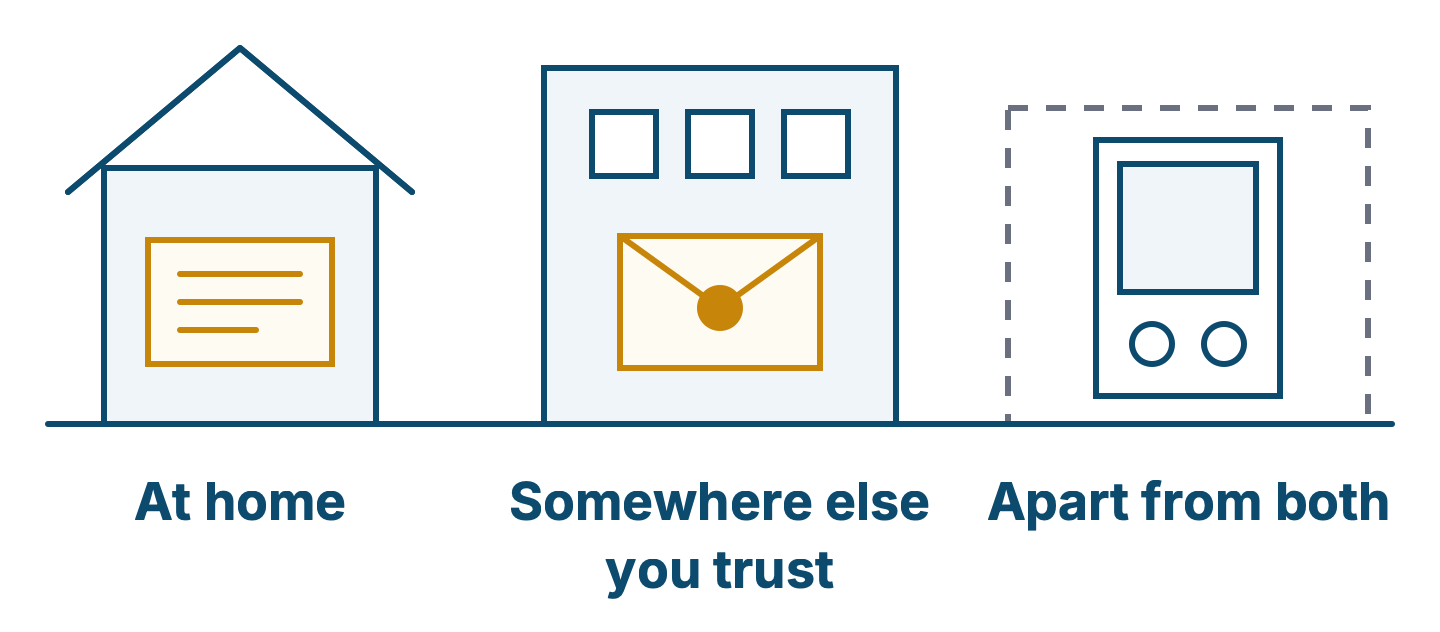
Make two copies, and keep them in two places: home, and somewhere else you trust, such as a safe deposit box, or a sealed, tamper-evident envelope in a relative’s safe. Keep both apart from the device, so that a single burglary doesn’t take the phrase and the device.
Write a sealed note of where they are for whoever would need them if you weren’t around. The Crypto Life Admin course, later in the Learning Lab, covers that properly.